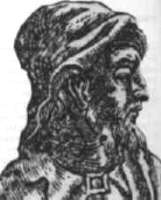
Epictetus
(55-135)Life and Works
. . Stoicism
Bibliography
Internet SourcesEven though he was born a slave in Hierapolis and endured a permanent physical disability, Epictetus held that all human beings are perfectly free to control their lives and to live in harmony with nature. After intense study of the traditional Stoic curriculum (established by Zeno of Citium and Chrysippus) of logic, physics, and ethics, Epictetus spent his entire career teaching philosophy and promoting a daily regime of rigorous self-examination. He eventually gained his freedom, but was exiled from Rome by Domitian in 89.
Epictetus's pupil Arrianus later collected lecture notes from the master and published them as the Discourses. The more epigrammatic Encheiridion, or Manual represents an even later distillation of the same material. From a fundamental distinction between our ability to think or feel freely and our lack of control over external events or circumstances, Epictetus derived the description of a calm and disciplined life. We can never fail to be happy, he argued, if we learn to desire that things should be exactly as they are.
That the same approach to human life may work for others as well as for a slave is suggested by the persuasive oratory of the Roman statesman Seneca. The Meditations of Roman emperor Marcus Aurelius illustrate the practical value of a Stoic approach even in the best of circumstances.
|
Recommended Reading:
Primary sources:
Secondary sources:
|  |
Additional on-line information about Epictetus includes:
- Stephen Clark's article in The Oxford Companion to Philosophy.
- Related OCP articles on:
freedom of goodness and reason,
Hellenistic philosophy, and
moral philosophy.

- An article in The Internet Encyclopedia of Philosophy.
- The article in the Columbia Encyclopedia at Bartleby.com.
- The thorough collection of resources at EpistemeLinks.com.
- Gordon Ziniewicz's lecutre on Stoicism.
- a brief entry in The Macmillan Encyclopedia 2001.